


Introduction
In today’s digital age, having a solid online presence is essential for the success of small businesses. The competition is fierce, and with many businesses vying for attention online, it’s vital to ensure your website stands out. This is where SEO (Search Engine Optimization) comes into play. SEO is the practice of optimizing your website and content to rank higher on search engines like Google, driving more organic traffic to your site.
For small businesses, SEO can seem like a complex and daunting task. However, with the right strategies in place, it’s possible to achieve significant results. Whether you’re just starting out or looking to improve your existing SEO efforts, this guide will provide you with actionable SEO strategies tailored for small businesses.
What is SEO for Small Businesses?
SEO refers to a set of practices aimed at improving a website’s visibility on search engines. When someone searches for terms related to your business, SEO ensures that your site appears near the top of the search engine results pages (SERPs). There are two primary types of SEO:
- On-page SEO: This involves optimizing the content and structure of your website. Key elements include keyword optimization, title tags, meta descriptions, header tags, and URL structure.
- Off-page SEO: This focuses on building backlinks, improving social signals, and gaining mentions across the web that improve your site’s authority.
For small businesses, mastering SEO is one of the most cost-effective ways to drive relevant traffic to your site without relying on paid advertising.
Why is SEO Important for Small Businesses?
SEO plays a crucial role in the growth of small businesses for several reasons:
- Increased Organic Traffic: By ranking higher on search engines, your website attracts more visitors without paying for ads.
- Cost-Effective Marketing: Compared to traditional forms of advertising, SEO offers a higher return on investment (ROI).
- Local Visibility: SEO helps you reach local customers who are searching for your products or services in their area.
- Building Credibility: Ranking well on Google instills trust and credibility with potential customers, as they tend to trust websites that appear at the top.
- Better User Experience: Implementing SEO best practices improves the overall user experience, which can increase engagement and conversions.
For small businesses, especially those with limited marketing budgets, SEO is one of the most powerful tools at your disposal to compete with larger businesses.
Detailed Step-by-Step Guide to SEO Strategies for Small Business
Here’s a step-by-step guide to help small businesses get started with SEO:
1. Keyword Research
Keyword research is the foundation of any successful SEO strategy. Understanding the words and phrases your target audience is searching for helps you create relevant content. Use tools like Google Keyword Planner, SEMrush, or Ubersuggest to discover keywords related to your business.
Steps for Keyword Research:
- Identify core topics related to your business.
- Find specific keywords and long-tail keywords with low competition and high search volume.
- Analyze competitors’ keywords to spot gaps in your SEO strategy.
- Prioritize keywords that are highly relevant to your business and have search intent.
2. On-Page Optimization
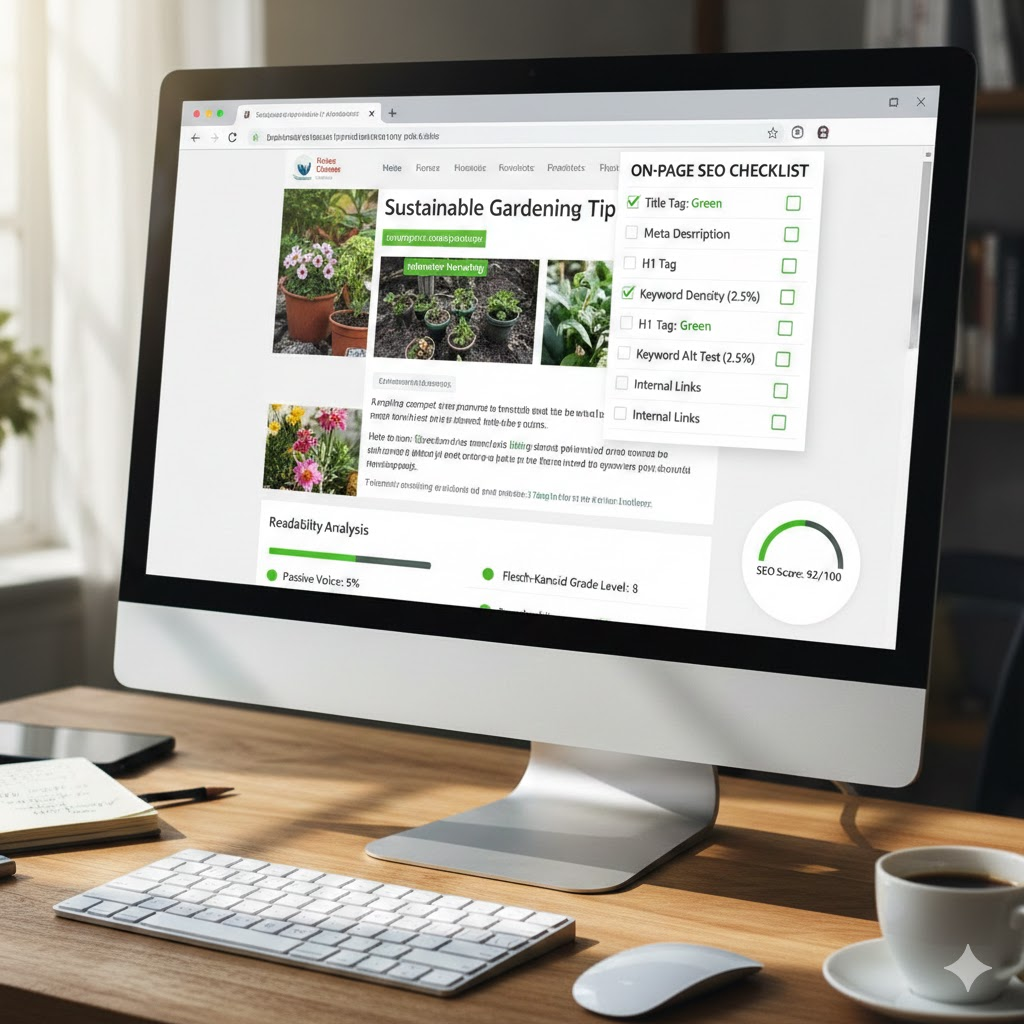
Once you have your keywords, it’s time to optimize your website’s on-page elements. On-page SEO ensures that search engines understand what your content is about and can rank it accordingly.
Key On-Page SEO Elements:
- Title Tags: Make sure your title tags are concise (under 60 characters) and contain the primary keyword.
- Meta Descriptions: Create compelling meta descriptions (under 160 characters) that summarize your page content and include relevant keywords.
- Header Tags (H1, H2, H3): Organize your content with proper header tags for better readability and keyword relevance.
- URL Structure: Use simple, descriptive URLs that include your target keyword.
- Alt Text for Images: Optimize images with descriptive alt text to improve accessibility and help search engines understand the content.
3. Mobile Optimization
With more people browsing the internet on mobile devices, it’s crucial that your website is mobile-friendly. Google also uses mobile-first indexing, meaning your mobile site’s performance directly impacts your rankings.
Steps to Ensure Mobile Optimization:
- Use responsive design to ensure your website adjusts to various screen sizes.
- Test your website using Google’s Mobile-Friendly Test tool.
- Optimize images and videos for faster loading times on mobile devices.
4. Local SEO
For small businesses with a physical location, local SEO is essential. Local SEO helps your business appear in local search results and on Google Maps, making it easier for nearby customers to find you.
Steps to Improve Local SEO:
- Google My Business (GMB): Set up or claim your Google My Business profile and keep it updated with accurate business details.
- Local Keywords: Include location-based keywords in your content, titles, and meta descriptions.
- Online Reviews: Encourage satisfied customers to leave positive reviews on Google and other review platforms.
- Local Backlinks: Obtain backlinks from local websites and directories to enhance your authority.
5. Content Marketing
Creating high-quality, valuable content is one of the most effective ways to boost your SEO rankings. Blogging, videos, infographics, and podcasts can all be part of your content marketing strategy.
Content Tips:
- Solve Problems: Address common problems or questions your target audience has.
- Use Keywords Naturally: Incorporate keywords into your content, but avoid keyword stuffing.
- Update Content Regularly: Keep your content fresh and up-to-date to maintain rankings.
- Internal Linking: Link to other relevant pages on your website to increase time on site and improve navigation.
6. Building Backlinks
Backlinks are one of the most important ranking factors. When high-quality websites link to your content, it signals to search engines that your website is trustworthy and authoritative.
Ways to Build Backlinks:
- Guest Blogging: Write guest posts for reputable websites in your industry.
- Local Directories: Get listed on local business directories like Yelp and Yellow Pages.
- Influencer Outreach: Reach out to influencers in your niche for collaborations or mentions.
- Broken Link Building: Find broken links on other websites and offer your content as a replacement.
7. Monitor and Measure SEO Performance
SEO is an ongoing process, so it’s important to monitor your efforts and measure performance regularly. Use tools like Google Analytics, Google Search Console, and SEMrush to track your rankings, traffic, and backlinks.
Key Metrics to Monitor:
- Organic traffic
- Bounce rate
- Keyword rankings
- Conversion rates
- Backlink profile
Benefits of SEO for Small Businesses
- Increased Visibility: SEO helps your business get noticed by your target audience.
- Higher Conversion Rates: A well-optimized site can lead to higher engagement and conversions.
- Cost-Effective Marketing: SEO offers a better ROI than traditional advertising.
- Improved User Experience: SEO best practices often lead to a better user experience, which keeps visitors coming back.
Disadvantages / Risks of SEO for Small Businesses
- Time-Consuming: SEO takes time to show results, and it requires consistent effort.
- Constant Changes: Search engine algorithms are always changing, which means your strategy must evolve regularly.
- Competition: Depending on your industry, it can be challenging to rank for highly competitive keywords.
- Cost: While SEO is cost-effective compared to paid advertising, it still requires investment in tools, content creation, and possibly hiring SEO experts.
Common Mistakes to Avoid
- Keyword Stuffing: Overloading content with keywords can harm your rankings. Focus on natural keyword usage.
- Neglecting Mobile Optimization: A non-mobile-friendly site can lead to higher bounce rates and lower rankings.
- Ignoring Analytics: Without monitoring your SEO performance, you can’t improve your strategies.
- Using Duplicate Content: Always create original, high-quality content to avoid penalties from search engines.
FAQs
1. How long does it take to see results from SEO?
SEO is a long-term strategy, and it can take anywhere from 3 to 6 months to see significant improvements in rankings and traffic.
2. Can I do SEO for my business myself?
Yes, many small business owners successfully implement SEO themselves by following best practices and using SEO tools. However, you can also hire an SEO expert for advanced strategies.
3. What are the best SEO tools for small businesses?
Some great tools for small businesses include Google Analytics, Google Search Console, SEMrush, and Ubersuggest.
4. How important are keywords for SEO?
Keywords are crucial for SEO as they help search engines understand what your content is about and determine which queries it should rank for.
5. How do I optimize my website for local search?
To optimize for local search, set up and optimize your Google My Business profile, include local keywords in your content, and encourage customer reviews.
6. Should I focus on on-page or off-page SEO?
Both on-page and off-page SEO are important, but focusing on on-page SEO first will help you create a solid foundation for further optimization.
Expert Tips & Bonus Points
- Focus on User Intent: Always prioritize user intent over keyword optimization. Understand what your audience wants and provide value.
- Leverage Social Media: While social media signals may not directly impact SEO, it helps increase visibility and drive traffic to your site.
- Regularly Update Content: Search engines love fresh content, so make it a habit to update older posts or add new blog posts to keep your site relevant.
Conclusion
SEO is an essential tool for small businesses looking to increase their online visibility and drive organic traffic. By implementing the right SEO strategies—such as keyword research, on-page optimization, content marketing, and local SEO—you can improve your website’s ranking and reach more customers. SEO is an ongoing effort that requires consistent work, but the results are well worth it.
With the strategies outlined in this guide, you’re well on your way to mastering SEO and making your small business a competitive player in the digital world. Keep refining your approach, stay updated with the latest trends, and continue to provide valuable content to your audience.
